
Learn Vedic astrology
Tutorials
The building blocks of Jyotish, one at a time: what each part of your chart is, how it is calculated, and how astrologers read it. 46 guides, drawn from the classical texts.
New to Vedic astrology? Start here
Foundations
What a birth chart is, how it is drawn, and why the exact time and zodiac matter.
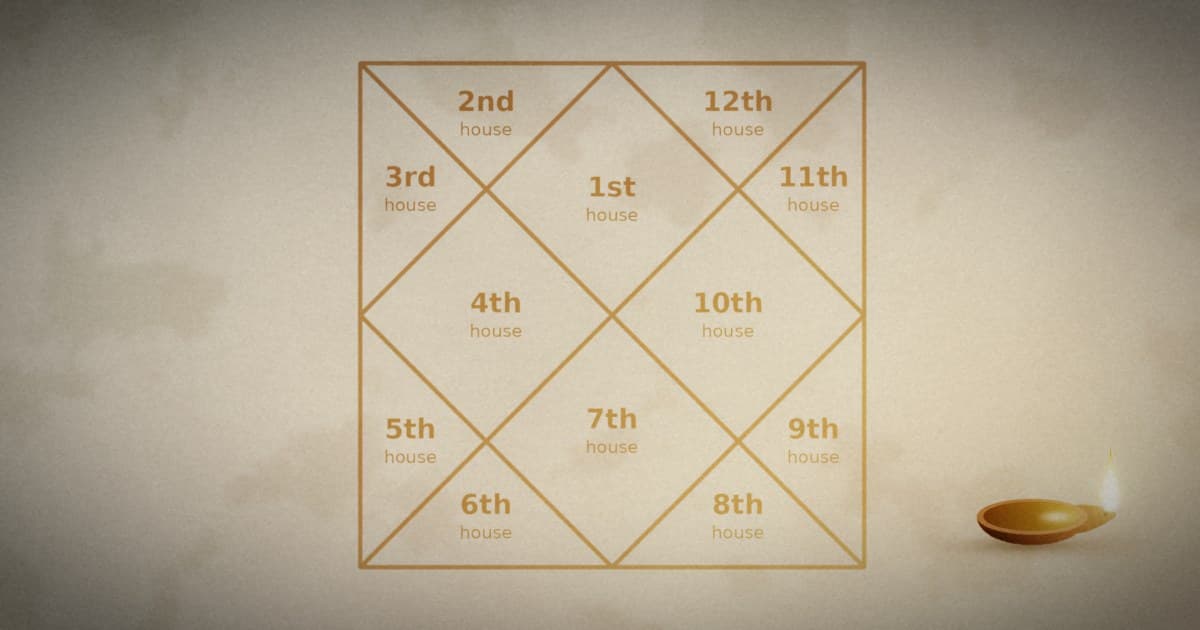
How to Read a Birth Chart in 6 Steps
A step-by-step method for reading a Vedic birth chart: the ascendant and its lord, the Moon, the houses, strength, yogas and dashas, with a worked example.

What Is Lagna? Your Ascendant and Why Birth Time Matters
Your lagna is the sign rising in the east at birth and the base of every house in your chart. What it means, and why minutes of birth time matter.
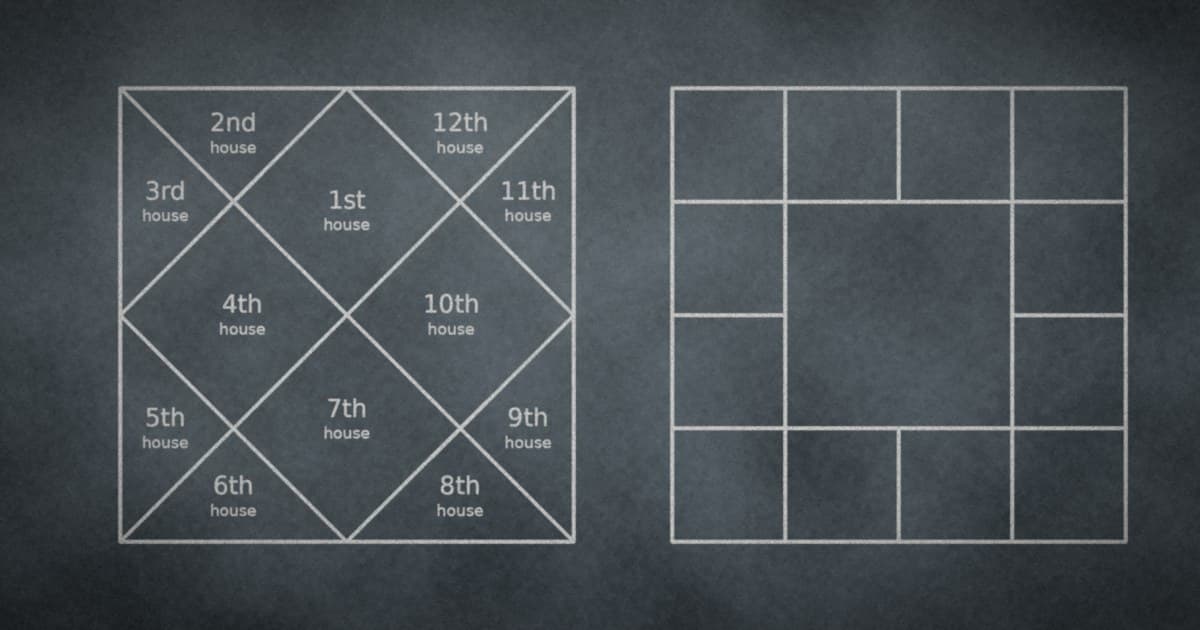
North vs South Indian Charts
The same chart can be drawn as a diamond (North Indian) or a square of boxes (South Indian). How to read each, find the ascendant and follow the houses.

Ayanamsa: Why Your Vedic Sign Differs
Vedic astrology uses the zodiac of the real stars, so your sign often changes. Ayanamsa explained: the 24° gap, the Lahiri standard, why most signs shift.

Rectification: Finding Your Birth Time
Birth times are often minutes out, and the ascendant moves a degree every four minutes. How astrologers correct a birth time, from shortcuts to life events.
Houses & Signs
The twelve houses of life and the twelve signs that colour them.

The 12 Rashis of the Vedic Zodiac
The twelve signs of the sidereal zodiac as Parashara described them: images, rulers, elements and qualities, and how movable, fixed and dual signs behave.
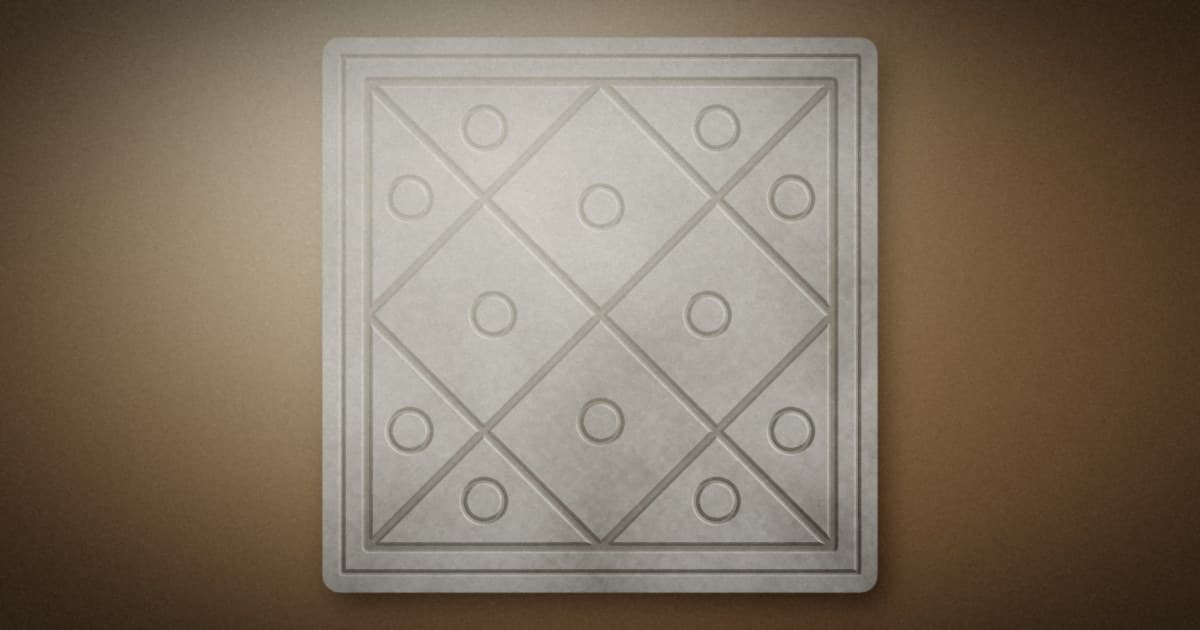
The 12 Houses, Simply Explained
What each of the twelve houses of a Vedic chart governs, in Parashara's words and plain language, plus the house groups astrologers use and a strength test.
Nakshatras
The 27 lunar mansions, the most personal layer of a Vedic chart.

The 27 Nakshatras: Are They Real, and Are They Your Soul?
A clear guide to the 27 Vedic lunar mansions: the real stars behind them, their rulers and deities, and what your birth nakshatra says about you.

Gandanta: The Knot Between Water and Fire
Gandanta marks the three points where water signs end and fire signs begin. Tithi, nakshatra and lagna gandanta, how narrow it is, and the shanti.
Planets
How each planet is judged: dignity, friendship, aspects, strength and special states.

Planetary Friends and Enemies
Why is Saturn uneasy in the Sun's sign? Parashara's rules for natural and temporary friendship between planets, and the five-fold compound relationship.

Exalted, Own, Fallen: Planetary Dignity
Where each planet is exalted, falls and feels at home, with Parashara's exact degrees and his scale of how much good it can do. Plus how to read dignity.
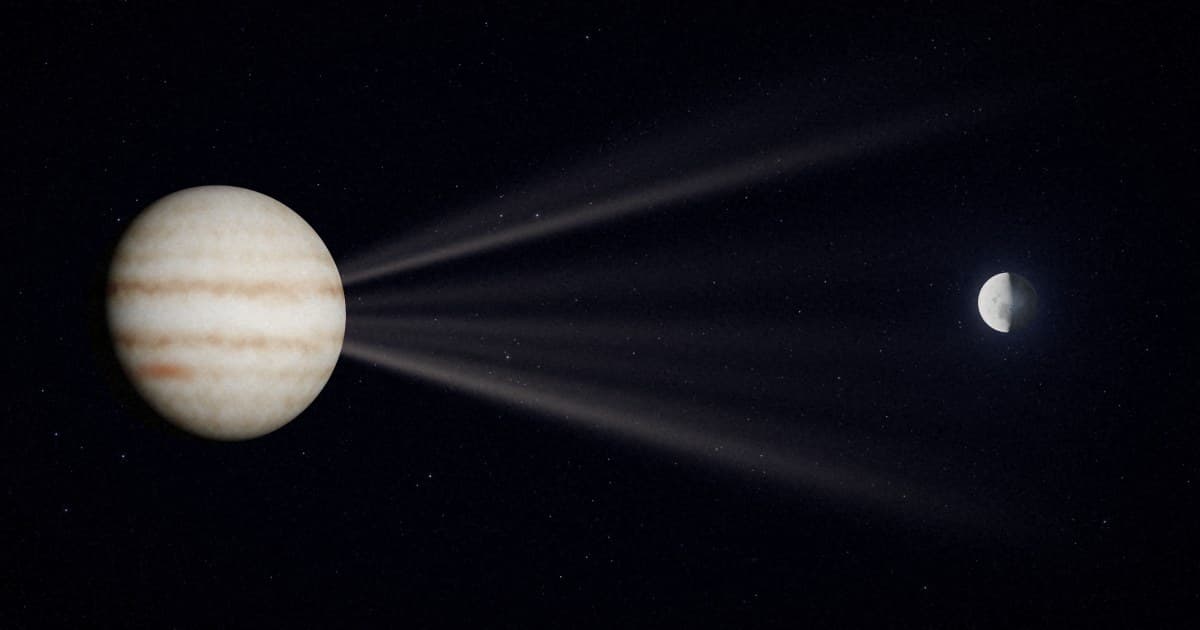
Drishti: How Planets See Each Other
Planets 'look' at houses and other planets. All aspect the 7th; Mars, Jupiter and Saturn have special aspects; Jaimini adds sign aspects. A complete guide.

Why 'Good' Planets Can Hurt You
Jupiter isn't always kind and Saturn isn't always cruel. How Laghu Parashari picks the planets that help your chart, kendradhipati dosha and your yogakaraka.

Combust Planets: Too Close to the Sun
A combust planet is hidden in the Sun's glare. The orbs astrologers use, why Mercury is combust in four charts out of ten, and what combustion really means.
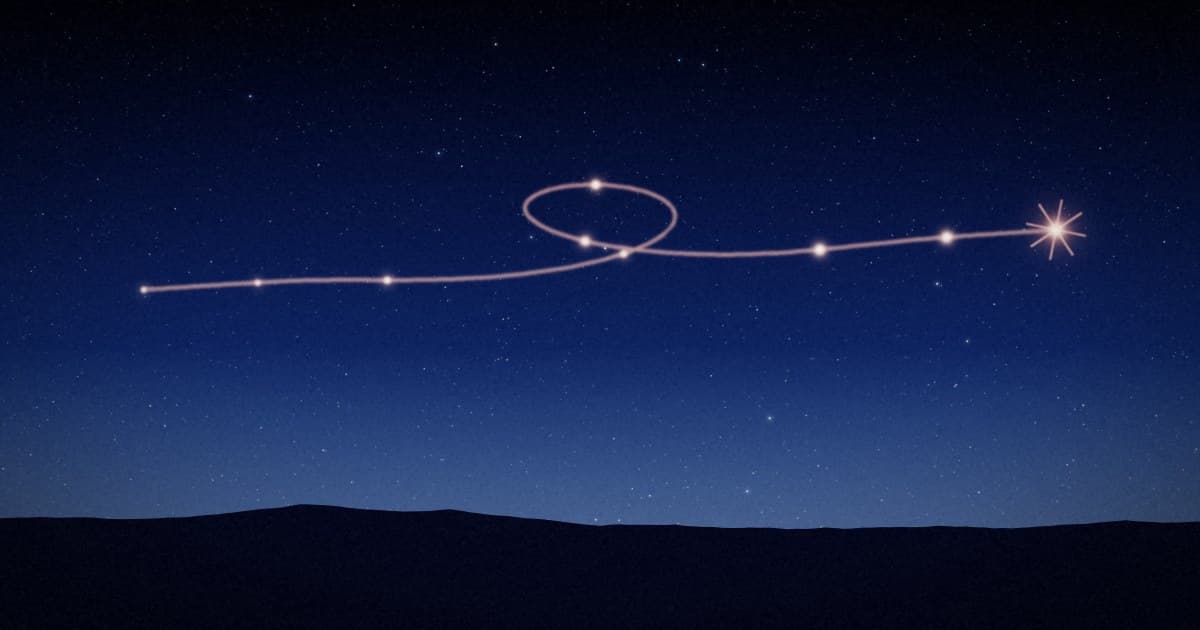
Retrograde Planets: Strong, Not Broken
Forget the Mercury retrograde panic. In Vedic astrology a retrograde planet gains strength. What the classics say, benefics versus malefics, and how common.

Dig Bala: Where Each Planet Shines
Every planet has a direction where it's strongest: Jupiter in the east, the Sun overhead, Saturn in the west, the Moon below. Dig bala, explained simply.

Shadbala: A Planet's Six Strengths
Shadbala measures each planet's strength from six angles. What each strength means, Parashara's minimums, and why a debilitated planet can still score well.

Graha Yuddha: When Planets Go to War
When two planets come within a degree, Jyotish calls it a planetary war. The four kinds Varahamihira described, how the winner is judged, what it means.

Gulika: Saturn's Shadow Point
Gulika, the 'son of Saturn', is the key shadow sub-planet. How Parashara's eighth-of-the-day rule fixes it, its effect in each house, and Gulika Kalam.

Badhaka: The Planet in Your Way
Some obstacles have no visible cause. The badhaka, the 'obstructer', is the house and planet blamed for them. How to find yours and remedy it, with examples.
Yogas
The classical planetary combinations, from Gaja Kesari to the Mahapurusha yogas.

Gaja Kesari Yoga: The Fine Print
Gaja Kesari is the most celebrated yoga in Vedic astrology, and a third of all charts have it. What it really promises, what makes it strong, how to read it.

The Five Mahapurusha Yogas
Ruchaka, Bhadra, Hamsa, Malavya and Sasa: the five 'great person' yogas, how each forms, which ascendants get them, and why a weak planet gives only the name.

Neecha Bhanga: When a Fallen Planet Rises
A debilitated planet isn't a life sentence. How Neecha Bhanga Raja Yoga works, the six classical cancellations, the navamsa's role and how often it occurs.

Kemadruma Yoga: When the Moon Stands Alone
Kemadruma yoga sounds frightening but is far rarer than people think. What the classics say, the cancellations few hear about, and data from 60,000 charts.

Viparita Raja Yoga: Winning Through Trouble
When the lords of the 6th, 8th and 12th fall in each other's houses, trouble can turn into strength. Harsha, Sarala and Vimala yogas, with the caveats.

Nabhasa Yogas: The Shape of Your Chart
Before single planets, astrologers read the pattern all seven make together. The 32 Nabhasa yogas, a simple count anyone can do, and 60,000 charts.
Divisional Charts
Zooming in on one part of life with the vargas: the navamsa, the dashamsa and more.

Navamsa: The Chart Behind Your Chart
Why Vedic astrologers won't judge a planet without the navamsa (D9). How it's calculated, what it shows about strength and marriage, and the rules using it.

Vargottama: The Planet That Holds Its Ground
A vargottama planet holds the same sign in your birth chart and navamsa. What it means, the degrees that create it, what the classics promise, how rare it is.
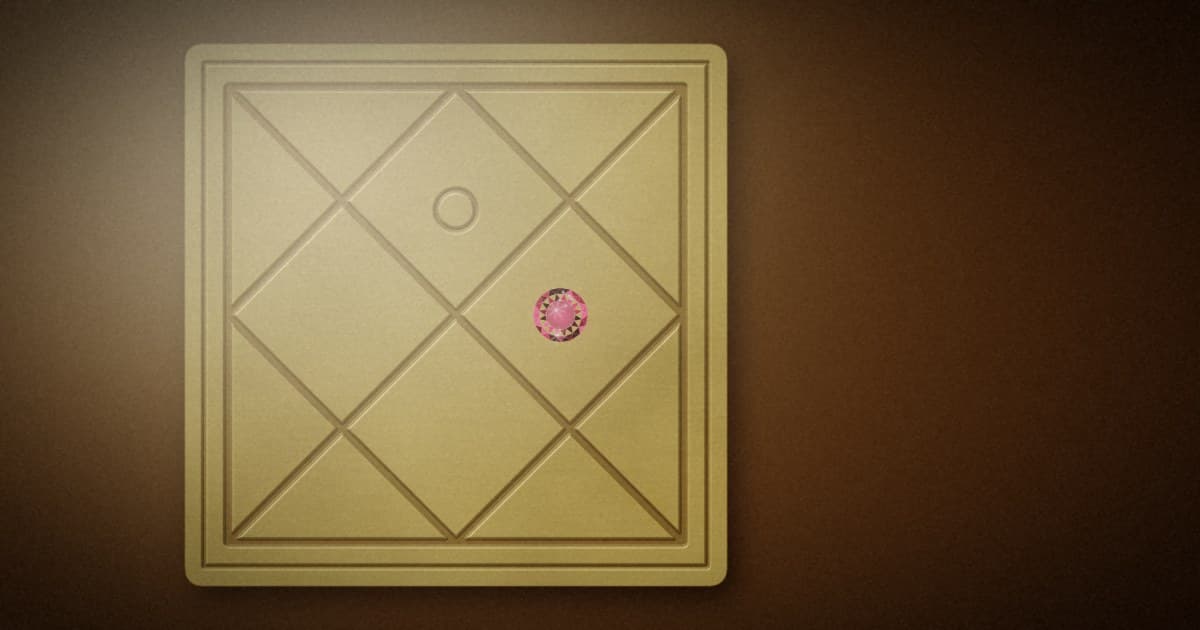
Dashamsa (D10): Your Career Chart
The dashamsa (D10) cuts each sign into ten slices and shows your power and standing in the world. How to calculate it, what to read, and a career example.
Timing
When things happen: dashas, transits, ashtakavarga and the yearly chart.

How Your Dasha Clock Is Set at Birth
Your Vimshottari dasha timeline is fixed by one number: where the Moon stood in its nakshatra at birth. The 120-year cycle, the formula and a worked example.

How a Dasha Unfolds: Start, Middle, End
A planetary period isn't uniform. What comes early and late in a dasha, the chart cast at its start, and why some periods end better than they begin.
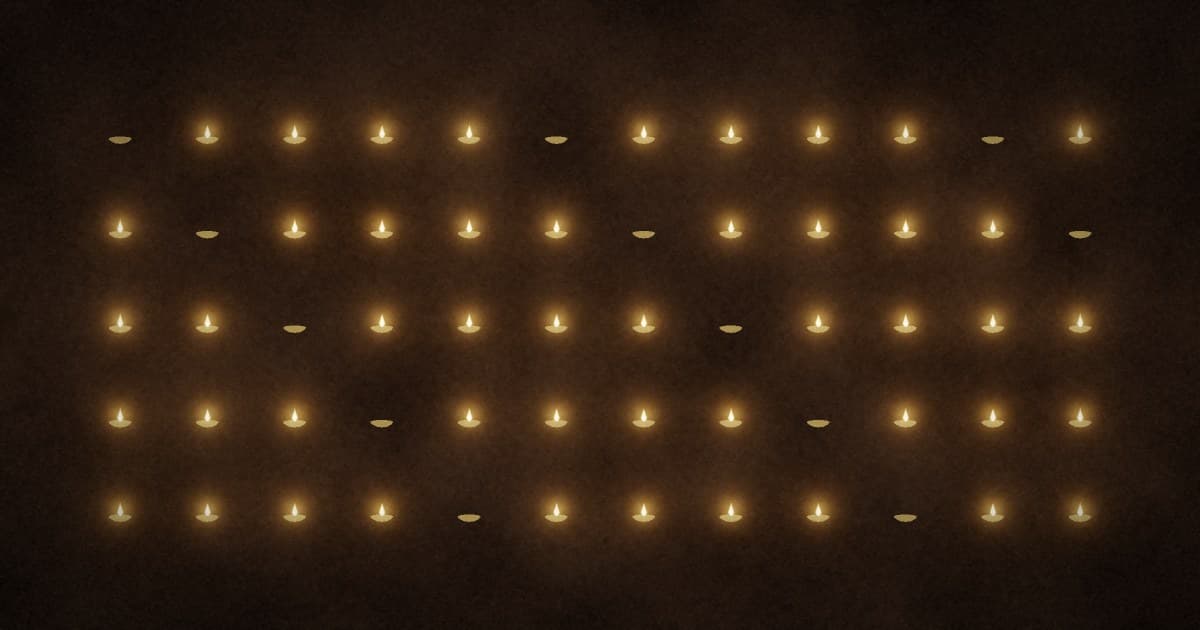
Ashtakavarga: Your Chart's 337 Points
Every chart shares out exactly 337 points across its twelve signs, but no two alike. How Ashtakavarga works, what the scores mean and how it times transits.

Vedha: When a Good Transit Gets Blocked
Jupiter is in a lucky house, so why is nothing happening? The classical rule of vedha (obstruction) in transits, the table for every planet, how to check it.

Varshaphala: Your Birthday Chart
Each year, when the Sun returns to its birth position, a new chart is born: the Varshaphala. How it's cast, what the Muntha shows, and the Lord of the Year.

Yogini Dasha: The 36-Year Cycle
Yogini dasha is a fast 36-year timing system of eight yoginis, from Mangala to Sankata. How it's calculated from your birth star and what each yogini means.
Jaimini
Jaimini's system of arudhas and karakas: image, soul and reality.

Arudha Lagna: Image vs. Reality
Your ascendant shows who you are; your Arudha Lagna shows how the world sees you. How to find it in two counts, Parashara's exceptions, and your status.

Atmakaraka: Your Soul's Planet
In Jaimini astrology one planet is king of your chart: the Atmakaraka. How to find it in seconds, what Parashara says of it, the karakamsa and other karakas.
Panchanga & Muhurta
The five limbs of the Hindu day and how to choose an auspicious time.
Panchanga: The Five Limbs of Time
Every Hindu calendar day has five limbs: tithi, vara, nakshatra, yoga and karana. What each means, how it's worked out, and an example for 1 January 2027.
Tara Bala: The Nine Stars of Your Day
Count from your birth star to today's and land on one of nine taras, from Sampat (wealth) to Vadha (obstacle). How tara bala works and how to calculate it.

How to Choose an Auspicious Time
A practical muhurta guide: the five panchanga checks, the right star for each task, personal checks, periods to avoid and the muhurta chart, with an example.
Matching & Marriage
Kundli matching, manglik dosha, the marriage point and when marriage comes.

Manglik Dosha: When It Matters, When It Cancels
What Mangal Dosha really is, why about half of all charts have it by the usual rule, the classical cancellations, and how astrologers weigh it in matching.

Guna Milan: The 36 Points Explained
Ashtakoota matching scores a couple out of 36 across eight tests. What each koota checks, the Nadi and Bhakoot doshas, and the exceptions few hear about.
How Vedic Astrology Actually Times Marriage
Not fate, but windows: how astrologers read the promise of marriage in a chart, narrow it with dashas and confirm it with Jupiter and Saturn's double transit.

Upapada: Your Marriage Point
The Upapada Lagna, the arudha of the 12th house, is the classical point for marriage. How to find it in three steps, what it reveals, how it times marriage.
Prashna
Horary astrology: reading the chart of the moment a question is asked.

Remedies
Gemstones and other classical remedies, and the rules for using them safely.

Looking for essays and forecasts? See Research & Essays, or read your monthly horoscope.